AUROCHS AND ANGELS (2026) RETURN TO ART MENU
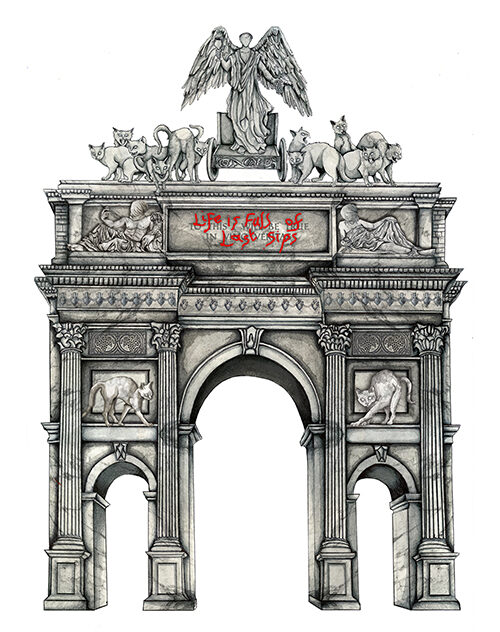
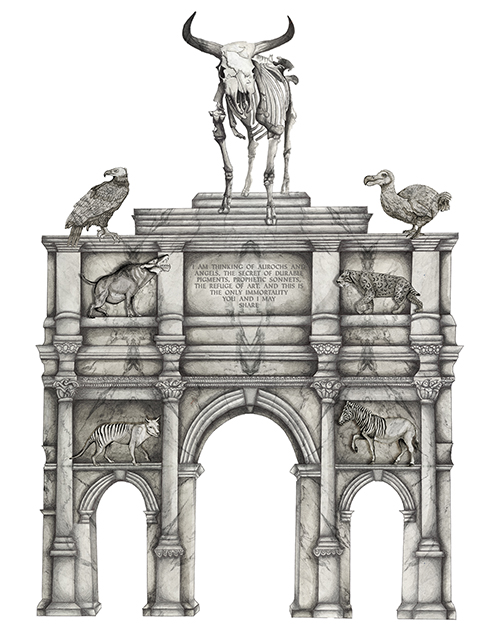
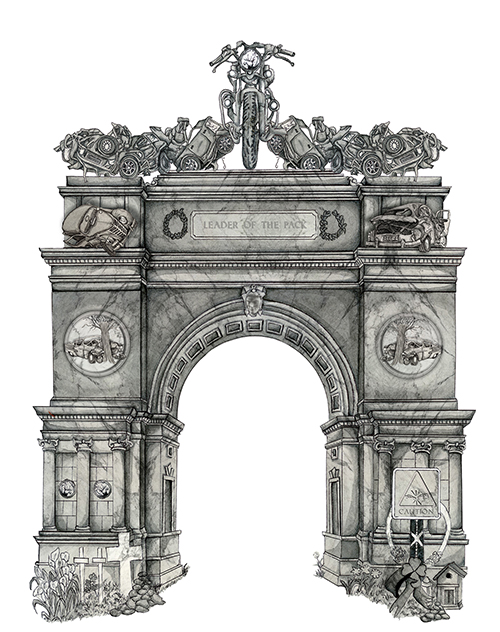
I am thinking of aurochs and angels, the secret of durable pigments,
prophetic sonnets, the refuge of art. And this is the only immortality you
and I may share, my Lolita.
—Vladimir Nabokov
These images mark the beginning of a new body of work inspired by a quotation from Vladimir Nabokov: the final lines of his controversial novel Lolita. In the novel, Nabokov’s protagonist exemplifies the unreliable narrator: a figure who deploys lyrical and persuasive language to rationalise, conceal, and redirect attention away from his predatory behaviour within what is ultimately a story of obsessive desire. Despite this troubling subject, the beauty of Nabokov’s prose can be disarming, prompting readers to reflect on how the perceived ‘truth’ of a relationship may depend as much on narrative framing and aesthetic presentation as on the circumstances themselves.
This ambiguity is echoed in the trope of the ‘grand gesture’ in film and literature. Within fictional narratives, such acts are frequently framed as courageous and deeply romantic, yet similar behaviour in everyday life could easily resemble stalking or unhealthy fixation. Part of the appeal of these narratives may lie in a broader human impulse: the desire to monumentalise the powerful encounters, relationships, and events that shape our lives. Ironically, while these moments may feel singular and transformative to those who experience them, they often appear ordinary or insignificant when viewed from outside the personal context in which they occurred. Their significance rests precisely on their fleeting nature and the impossibility of preservation. It is at this point, as Nabokov suggests, that we may turn to the “refuge of art”.
Nabokov evokes a sense of deep time through images of aurochs and angels—extinct animals and mythic figures preserved in cave paintings or carved into medieval stone. Rendered in “durable pigment” or sculpted into architecture, such images may endure physically across centuries, yet they remain irrevocably bound to the past. Even forms that appear to address the future, such as “prophetic sonnets,” carry associations with archaic myth and legend, suggesting cyclical time in which what once existed may reappear in altered form.
The works Aurochs and Angels, Punch Drunk Love, and Leader of the Pack (2026) form the first pieces in a series that uses the motif of the triumphal arch alongside other symbolic elements to examine how transient experiences become monumentalised. Historically associated with the Roman Empire, triumphal arches were built to commemorate public victories or honour powerful figures. In later periods, they were frequently adopted by authoritarian regimes, making them symbols not only of commemoration but also of political hubris. These structures, ironically, often outlast the regimes that erected them, transforming monuments of triumph into reminders of eventual decline.
The sculptural imagery that once celebrated glory may, to contemporary viewers, appear overly sentimental or even kitsch. By introducing unexpected symbolism into these arches, my work explores this tension between sentimentality and sincerity. As philosopher Michael Tanner observes, sentimental feeling exists very close to another, more valuable phenomenon: emotional generosity. Because these emotions share similar expressive forms, distinguishing between them can be difficult (Tanner,1976, p.139).
Although monumental in scale, the triumphal arch ultimately functions as a gateway—a liminal structure through which one passes from one state to another. In this sense, the monumentalised moments represented in these works are not endpoints but thresholds: markers of transition rather than final destinations.